Services
Full
FACELIFT
Featured IMAGES
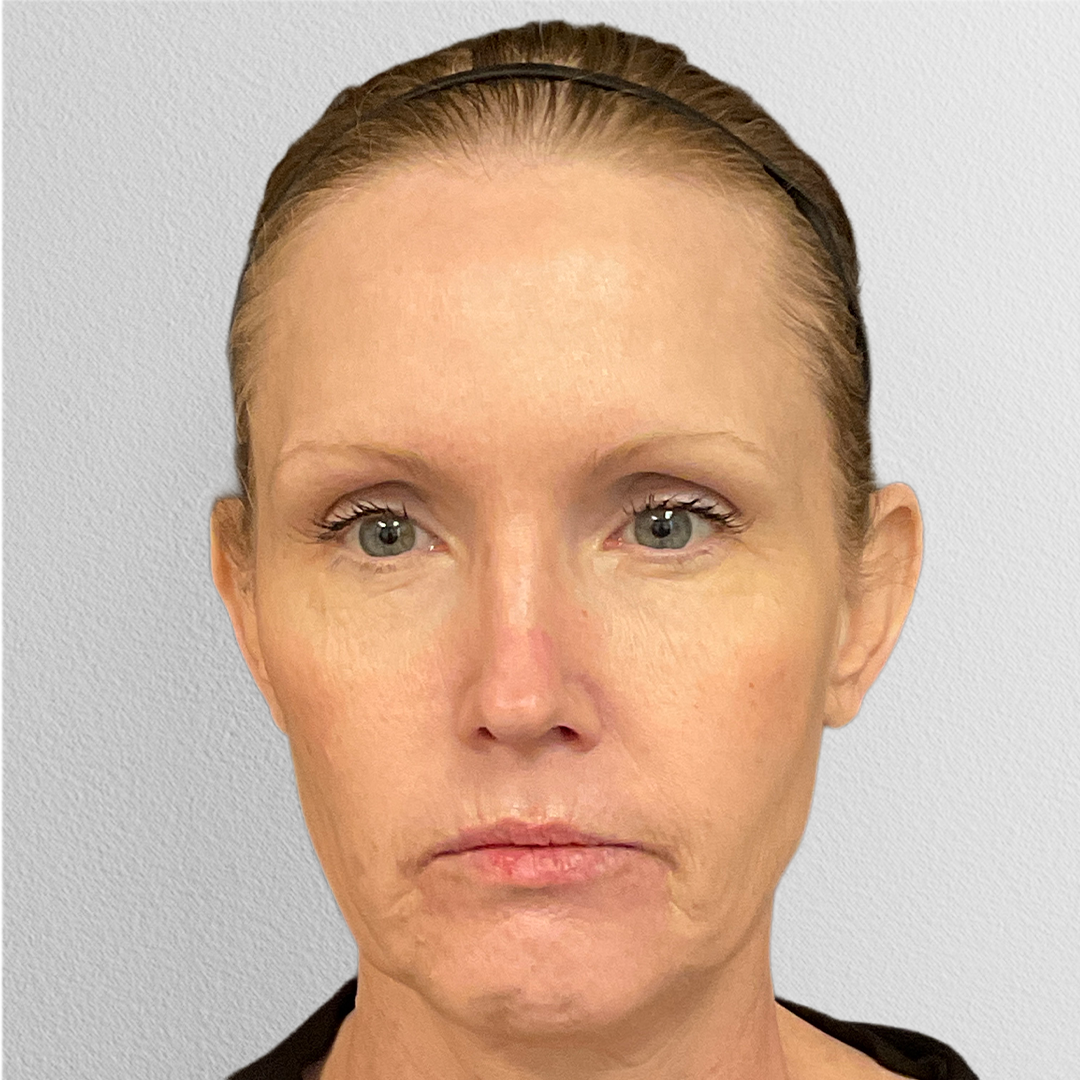
48 year old patient 3 months post mid/lower facelift with CO2 laser resurfacing.


What is a Full FaceLift?
A facelift, or rhytidectomy, is a surgical procedure designed to address visible signs of aging by lifting and tightening facial skin. It can also be combined with other procedures, such as eyelid surgery, to enhance overall facial harmony.
When to consider
Loose Skin
Over time, skin may lose elasticity, leading to changes in facial contours.
Deep Wrinkles
Facelifts smooth deep wrinkles and restore firmer-looking skin.
Refreshed Look
This procedure is an option for those seeking a more youthful appearance.
How it works
General anesthesia is used for comfort.
An incision is made along the hairline from the temple to the front of the ears.
The skin is lifted, tightened, and excess tissue may be removed.
The skin is redraped, and incisions are carefully closed.
Book a CONSULTATION
Full FACELIFT FAQ’s
How is a full facelift done?
The patient is given a general anesthesia. Dr. Randall Barnett of the Alpine Plastic Surgery Clinic in Ogden, Utah specializes in this kind of surgery.
The procedure begins by making an incision starting from the temple area and goes around the front of your ears. The skin is then raised so that muscles and tissue beneath the skin can be tightened. Your plastic surgeon may remove some skin and fat, too. Next, the skin is draped over the face again and the incision is closed. The incision is usually made along the hairline to make the scar less visible after the procedure.
What preparations should I make before a full facelift?
Your surgeon may ask you to take the following precautions before undergoing the procedure:
- Stop smoking. Smoking can seriously affect the flow of blood to the skin, resulting to more bruising and scarring following surgery.
- Understand that a full facelift is ideally done if you are close to your normal weight or if you are slightly underweight. Significant weight loss after treatment may lead to further wrinkling of the treated area.
- Avoid taking aspirin or other blood thinners as they can lead to excessive bleeding after the procedure.
What can I expect during full facelift surgery?
Usually, the procedure takes two to four hours to complete, depending on the extent of the treatment. Dr. Barnett prefers general anesthesia so the patient will not feel any discomfort during surgery. Once the surgery is done, a dressing is applied to the treated area to protect the incisions.
What can I expect after a full facelift?
The bandages on your face will be removed after one to two days. If a drainage tube is placed during surgery, it will also be taken out after one to two days. Stitches will be removed after 5 to 10 days.
Right after surgery, minimal pain may be present. Your doctor may prescribe you with pain medications to relieve the discomfort. Swelling and bruising can also be expected, but can be alleviated through the application of cold compresses and elevation of the head.
The face may feel stiff, but this is a normal result of the surgery and will fade over time. The skin will also feel numb and dry for a few months following surgery.
The patient may be asked to avoid smoking and even exposure to smoke two to four weeks following full facelift surgery. Smoke coming from tobacco can increase the possibility of tissue and skin death and delay the healing process. Furthermore, it can make scarring worse.
You may be able to return to your regular daily activities in two to three weeks.
What are the limitations of a full facelift?
A facelift can improve the look of the face and make it look healthier and younger. This can boost the patient’s confidence and greatly reduce anxiety that has built up over time.
Although a full facelift can “take years off” the face, it cannot reverse sun damage in one’s skin or remove all wrinkles and creases around the eyes, lips, and below the nose.
What risks should I look out for?
A full facelift may pose a variety of problems following treatment, including:
- Bleeding
- Infection
- Anesthesia reactions
- Nerve damage to the muscles of the face, leading to temporary facial paralysis
- Hair loss
- Tissue loss
- Numbness around the face
- Scarring
- Pulmonary embolism, or blood clots forming in large veins and traveling to vital organs such as the heart and lungs, although this is uncommon
What instructions should I follow after a full facelift?
- Avoid smoking, drinking alcohol, and taking aspirin because they can affect the healing process.
- Sleep upright during the night to help minimize swelling on the face. Washing the hair may already be allowed after three to four days.
- Avoid stooping down or bending since these activities can trigger blood to rush to the face, resulting to minor bleeding and discomfort.
- Makeup may be allowed but should not be applied over the incision site until it is fully healed, which is about two to three weeks after surgery.
- Hair coloring and perming may be used after four to six weeks, but it is best to consult your surgeon as this depends on the extent of the surgery.
- Avoid serious physical activities for about a month after the procedure.
Related Procedures

Blepharoplasty
Blepharoplasty is a procedure that aims to improve the appearance of the eyelids, either lower, upper, or both. It works by rejuvenating the eyes and their surrounding areas, making you appear vibrant and well-rested.
Brow Lift
A brow lift can help you achieve a younger-looking appearance by “lifting” the brows. Primarily, it corrects the sagging of the eyebrows, the forehead, and the upper eyelids. It also addresses other facial problems, like having a low brow.
Full Face Lift
A full face lift aims to tighten loose skin on the neck and jaw line, and reduce the wrinkle lines in the face and corners of the mouth. It can be done together with blepharoplasty to improve the overall facial appearance.
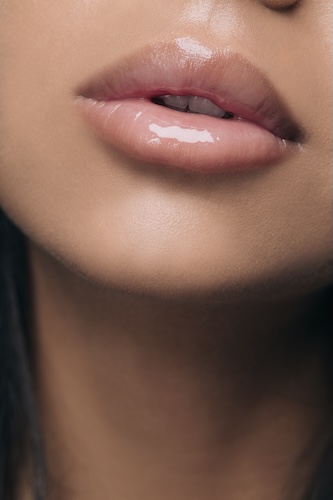
Lip Augmentation
Lip augmentation is done to enhance the appearance of the lips by giving them a fuller and plumper appearance. They can either be performed with injections (dermal fillers) or surgical implantations.

Rhinoplasty
Also known as nose surgery, rhinoplasty aims to modify and repair the shape of the nose. It may be done to improve the function of the nose, its appearance, or both.
View Before & Afters
Curious what’s possible? Explore our facial rejuvenation gallery to see natural, confident results from real patients. From subtle lifts, to a tighter profile, every transformation is tailored to the individual.